
Still relying on manual processes to run your hotel? How many hours are you losing every week, and where does that time actually go?
The answer might surprise you: you could be wasting hundreds of man-hours each year. On the contrary, hotels using modern Property Management Systems (PMS) can save up to 10+ hours per week, with some recovering over 500 hours annually [1].
As guest expectations rise and operational costs increase, manual processes are becoming inefficient and unsustainable. From paper-based check-ins to disconnected systems, these outdated methods often lead to delays, errors, and poor guest experiences.
In contrast, automation is transforming hotel operations, improving accuracy, streamlining workflows, and enabling better service. More importantly, it is no longer just a convenience, but a competitive advantage for hotels aiming to stay ahead.
You may also be interested in: Solving Modern Hotelier’s Green Metrics & Guest Journey Challenges with Integrated Solutions
Key processes that can be automated
Modern hotel management software enables automation across nearly every department. Instead of handling tasks manually, hotels can streamline workflows, reduce errors, and ensure consistency across operations.
Front desk & Guest experience
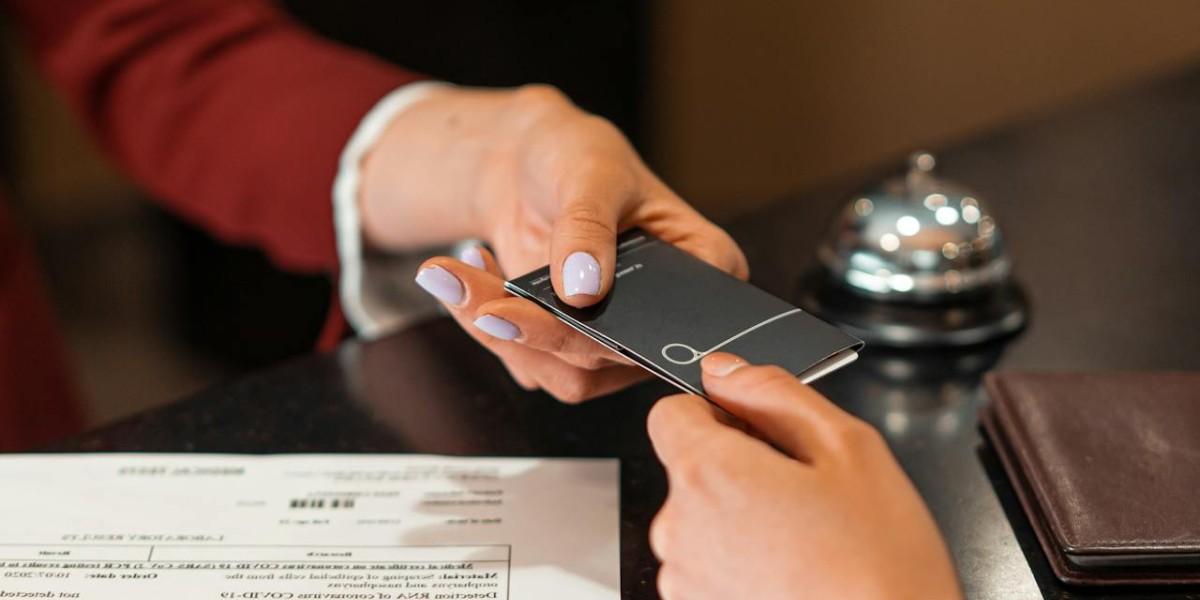
More than any other touchpoint, the front desk plays a crucial role in shaping a hotel’s first impression. It is also one of the most time-sensitive areas of operation. From the moment guests arrive, their interactions with front desk staff influence their perception of the entire property and set the tone for their stay.
As a core function directly tied to customer experience, the front desk greatly benefits from automation. Hotel management software enables hotels to:
- Manage reservations in real time across multiple channels
- Enable online and mobile bookings with instant confirmations
- Offer digital check-in and contactless check-out
- Send automated pre-arrival, in-stay, and post-stay communications
For example, when a guest makes an online booking, the system can automatically update room availability, assign a room, and send confirmation emails, all without staff intervention. This not only reduces administrative workload but also minimizes errors such as overbooking.
In addition, dynamic pricing allows hotels to stay responsive in a constantly changing market. Instead of relying on fixed rates, hotels can adjust prices in real time based on demand fluctuations and booking patterns.
For example, when a last-minute cancellation occurs, the system can automatically reopen inventory and slightly lower the price to quickly attract new bookings. During peak seasons or high-demand periods, such as holidays or local festivals, room rates can be increased to reflect market demand. Similarly, during off-peak periods, hotels can offer more competitive pricing to maintain occupancy levels.
Beyond operational efficiency, automation significantly enhances the guest experience. Faster check-ins, personalized communication, and instant responses contribute to higher satisfaction levels. In fact, recent findings show that 86% of hoteliers report that AI-driven automation helps them save time, particularly by streamlining repetitive tasks such as handling FAQs, daily administration, and post-booking guest communication. [2]
Back office operations
Behind the scenes, hotel operations involve complex administrative tasks that are often repetitive and time-consuming. Hotel management software allows these processes to be automated, including:
- Billing and invoicing processes
- Payment processing and tax calculations
- Financial reporting and daily performance summaries
- Guest data management and CRM updates
Automated billing ensures accuracy and reduces disputes, while integrated reporting tools provide real-time insights into revenue, occupancy rates, and financial performance. This is especially important as data-driven decision-making becomes a competitive advantage. Modern PMS platforms are increasingly equipped with analytics tools that enable hotels to track performance and identify growth opportunities in real time.
Operational management
Efficient coordination between departments such as housekeeping, maintenance, and staff management is critical to smooth hotel operations. Automation support within hotel management software simplifies:
- Housekeeping schedules and room status updates
- Task assignments triggered by guest check-out
- Staff scheduling and workload distribution
- Inventory tracking for amenities and supplies
For instance, when a guest checks out, the system can automatically notify housekeeping to clean the room and update its status once completed. This reduces communication gaps and ensures faster room turnover.
Explore more: How an IT Professional Can Make the Case for Cloud PMS to the C-suite
Beyond room operations, automation also plays an important role in managing non-room services such as restaurants, spas, and event spaces. Hotels can coordinate reservations, track service usage, and align staffing across these departments in real time.
For example, a spa booking can automatically update staff schedules, while event space reservations can trigger preparation tasks for multiple teams, from catering to technical setup. This level of integration helps ensure consistent service quality across all guest touchpoints, not just the room experience.
Research indicates that automation can reduce hotel labor costs by 5-10% through more effective staff allocation and scheduling. With labor expenses accounting for up to 40% of total operating costs, automated scheduling helps hotels better align staffing levels with guest demand while addressing ongoing workforce challenges [3].
Is your hotel business surviving or thriving? What does it take to reimagine hospitality and guest experiences in 2026?
Find the answer in this on-demand webinar →
Distribution & Revenue management
In today’s digital landscape, hotels must manage multiple booking channels, including Online Travel Agents (OTAs), direct websites, and corporate platforms. By applying automation, the business can:
- Real-time synchronization of room availability across channels
- Dynamic pricing based on demand and market conditions
- Prevention of overbooking through centralized inventory control
The adoption of integrated hotel systems has grown rapidly, with more than 90% of hotels now using PMS-connected booking and reservation platforms, up from just 55% a few years ago [4]. Beyond improving operational efficiency, these systems also drive revenue, with 91% of hoteliers reporting that their PMS supports revenue growth through upselling and optimized pricing [5].
Read more: Seasonality in Hotels: Revenue Management Strategies You Should Adopt
How TRG International can help your hotel business
As automation becomes a cornerstone of modern hospitality, choosing the right technology partner is critical. This is where TRG International plays a key role. With extensive experience in delivering enterprise solutions, TRG International helps hotels adopt and optimize Cloud-Based PMS tailored to their operational needs.
One such solution is Infor HMS (Hospitality Management Solution), a comprehensive, cloud-based hotel property management solution designed to streamline operations, enhance guest experiences, and drive profitability for hotels and resorts.
Infor HMS’ core features
With Infor HMS, you get a next-gen PMS that integrates seamlessly with procurement, Revenue Management System (RMS) solutions, Point Of Sale (POS), and other software, offering single/multi-property reporting and the mobile-friendly capabilities required to deliver a stellar guest experience.
Whether you are looking to optimize operations or improve your bottom line, Infor HMS can provide you with a holistic view of your entire property performance and advanced capabilities to meet, or even exceed, the highest standards.
- Reservation Management: streamlines booking processes with real-time availability and centralized control
- Mobile Access: empowers staff to manage operations remotely, enhancing responsiveness and service quality.
- Integrated PMS: unifies property management with other systems, ensuring seamless operational efficiency.
- Advanced Analytics: delivers actionable insights through powerful reporting and forecasting tools.
- Cloud Platform: scales with your business, offering flexibility and cost-effective management.
- Guest Preferences: tracks and utilizes guest data to personalize services, enhancing overall guest satisfaction
By partnering with TRG to implement Infor HMS as your centralized PMS, you gain more than just a technology provider, you gain a strategic partner dedicated to your success. From initial consultation and in-depth requirements analysis to system configuration, data migration, integrations, and user training, TRG ensures a seamless deployment tailored to your hotel’s unique goals. Our team works closely with you at every stage to maximize value, minimize disruption, and accelerate your return on investment.
Ultimately, a cloud-based PMS like Infor HMS is more than an operational tool, it’s a catalyst for sustainable growth. By elevating guest experiences, streamlining operations, and unlocking real-time, data-driven insights, it empowers hospitality leaders to make smarter decisions, increase revenue, and stay ahead in a competitive market.
Gain more insights into Infor HMS’ potential and discover how your hotel can unlock new levels of performance and profitability with this on-demand webinar. Available now!

Sources:
1. https://hoteltechreport.com/news/2026-hotel-pms-report
2. https://hoteltechnologynews.com/2025/08/research-86-of-hoteliers-say-ai-automation-has-helped-them-save-time/
3. https://www.unifocus.com/blog/maximizing-hotel-roi-the-key-is-automated-scheduling-and-labor-optimization
4. https://www.smartness.com/en/blog/9-tasks-you-can-automate-hotel-management-software
5. https://hoteltechreport.com/news/2026-hotel-pms-report