

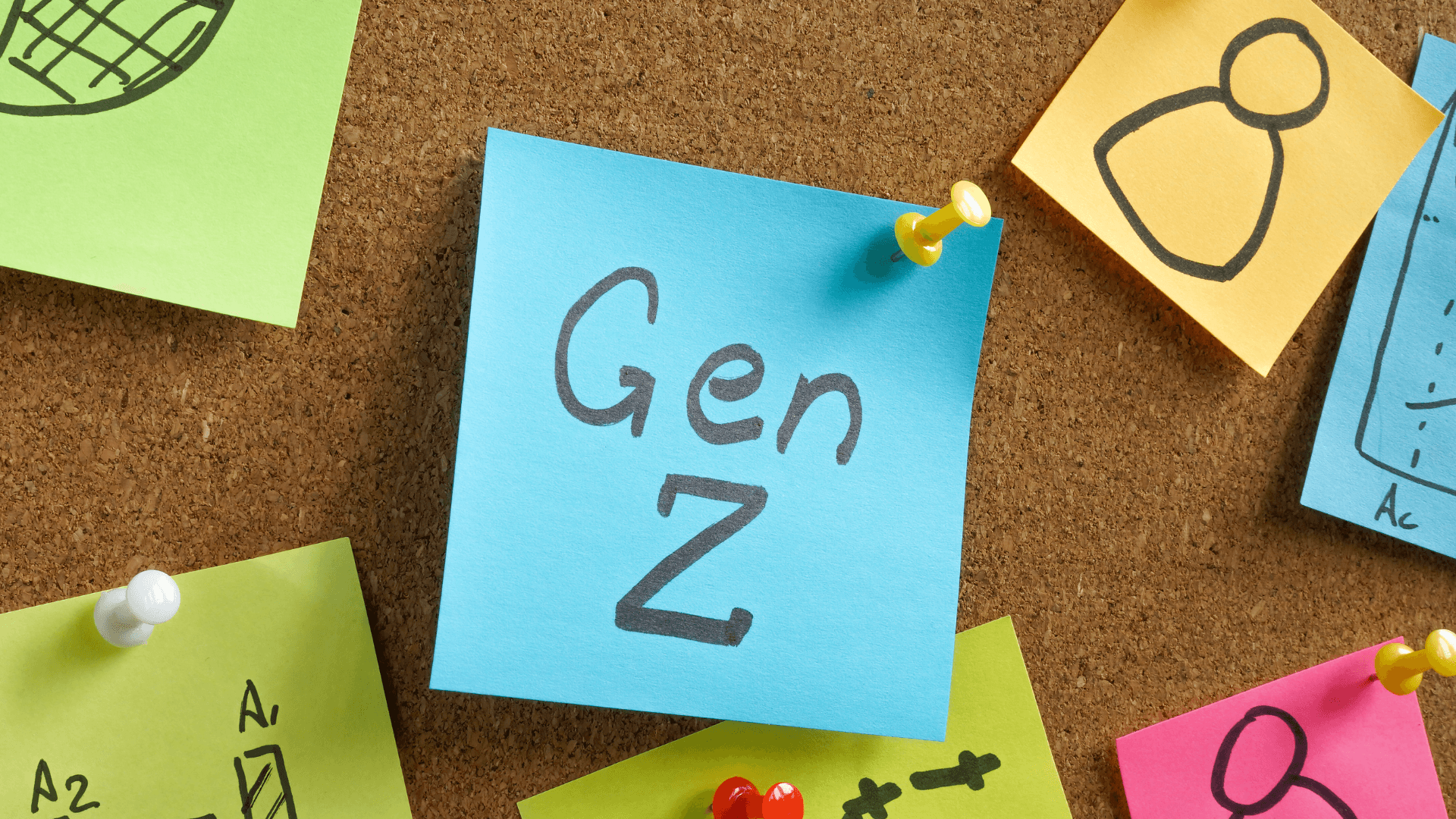
More than a quarter of the current workforce is Gen Z, and the statistics show they have already outgrown Baby Boomers1. Sooner or later, they will march into various leadership roles. The hospitality industry is no exception.
Many Gen Zers show a strong interest in the sector. Does the industry reciprocate the feeling? Not quite!
If hotel businesses don’t want this generation to refuse to be their employees or customers, they need to adjust their recruitment, retention, and engagement strategies.
Read more: The Future of Work from Gen Z & Millennials’ POV: What Numbers Tell Us
Recruitment the Gen Z way
Yes, you have read that correctly!
Did you know that 76% of Gen Z candidates will leave online applications unfinished if they take more than 15 minutes to complete2? So how do hoteliers recruit the Gen Z way?
An organisation’s presence on popular social media platforms like Facebook, LinkedIn, and Instagram is not a strange image. In fact, over 84 per cent of businesses recruit via social media3. This is simply because this is where their target audiences spend most of their time.
The newer yet equally popular social channel, TikTok, can provide hoteliers with unique access to Gen Z talent pools. However, recruiting via these platforms requires careful planning.
Gen Z today is very selective in terms of looking for jobs. They do not blindly apply to every vacancy posting out there. What they are interested in is the story behind every brand. As such, authentic storytelling is a vital part of effective employer branding.
Successfully recruiting these young professionals also means that hoteliers can leverage their tech savviness and expertise in social media to enhance the brands from a fresh and creative perspective.
Hotels should highlight their workplace culture through employee testimonials and behind-the-scenes content. Moreover, hotels should also be transparent and communicative about career development opportunities. Young professionals are leaving the industry. The mental taxing aside, the other reason is due to a lack of career progression on top of job stability.
With these in mind, giving your Gen Z team members free food as a perk will not cut it.
Read more: Overthinking’s Toll on Gen Z in the Workforce
Creating compelling career development paths
Development frameworks
A clear progression framework shows hotels’ commitment to developing their employees. These frameworks should detail the skills, knowledge, and behaviours needed to move forward. Gen Z employees value transparency and opportunities for growth. This makes structured progression vital to keep them engaged.
Hoteliers can consider building structured career development frameworks through:
- Clear competency mapping for each role level
- Defined skill development pathways
- Transparent salary progression
- Regular performance assessments
Read more: What Should Your Employee’s Development Plan Contain?
Also consider this: Digital training solutions
Learning management systems (LMS) have changed employee development. Robust LMS platforms, with a projected growth estimated to reach almost $70 billion by 2030 and a compound annual growth rate (CAGR) of 19.2%, are disrupting the traditional learning paradigm4.
The benefits of using LMS go beyond the simple cost-saving. They also provide:
- A centralised learning hub where all learning materials and activities are accessible in one place.
- Streamlined training processes, ensuring both new hires and existing hotel members are on the same page.
- Flexibility for learners to access the courses and learn at their own pace anytime, anywhere, and often from various devices.
- Detailed reports on the learner’s progress and performance to better evaluate the teams’ outcomes.
- Personalised learning paths based on each business’ and individual’s development needs.
Digital/ e-learning training programs offered via LMS platforms typically include engaging elements, such as:
- Short video modules
- Interactive quizzes
- Audio content
- Gamified learning experiences
- Mobile-accessible resources
- And more
Organisations can utilise a combination of interactive elements to better meet their demands.
Read more: Is Microlearning the Future of On-Demand Development?
Mentorship programs
Gen Zers should also be put in adequate mentorship programs, through which they are paired with seasoned professionals to help prepare them with the necessary industry skills. Moreover, mentorship can boost satisfaction and create a much-needed supporting framework for younger team members.
Mentoring relationships work best when both sides learn from each other. This encourages knowledge sharing between generations.
Also consider this: Future-proofing the workforce
Identify and nurture future leaders with dedicated leadership development programs that equip them with the necessary skills and knowledge to manage teams. These programs dive deep into unlocking Gen Zers’ key leadership competencies, such as communication, decision-making, and team building, with the goal of strengthening the hotel’s talent pipeline.
Read more:A Dilemma in Leadership Development: Performance vs. Potential
Investing in proper leadership development programs also helps make Gen Z employees feel valued, which in turn can increase their loyalty and reduce the overall turnover.
Cross-departmental training
Providing cross-departmental training opportunities enables hotels to build a more versatile workforce. Employees learn skills outside their main roles and are capable of handling various responsibilities. This can also help these young professionals discover their new interests and passions within the hospitality industry.
Read more: Which Leadership’s Key Factor is Unintentionally Forgotten?
Operational flexibility aside, a more agile team can achieve improved guest satisfaction. Nevertheless, fundamental factors that hoteliers need to consider if they want to build successful training:
- Identifying skills needed across departments
- Investing in detailed training initiatives
- Providing continuous feedback and assessment
- Measuring performance through specific KPIs
Also consider this: Performance tracking tools
Advanced performance tracking systems help managers monitor and support staff development. Traditional review processes are often cumbersome, loaded with manual work, and overlook the post-training aspect.
Modern tools now offer updated insights into each professional’s strengths and weaknesses as well as suggestions for feedback and coaching opportunities.
Performance tracking systems help hotels to:
- Track individual progress
- Identify skill gaps
- Measure engagement levels
- Monitor team performance
- Generate complete analytics

Building a Gen Z-friendly workplace
Redesigning career paths in the hospitality industry for Gen Z alone is not enough. The entire workplace and culture also need a transformation. Starting with work-life integration strategies.
Work-life integration policies
Work-life balance may not apply to the hotel industry’s 24/7 nature. It needs work-life integration plans–allowing employees to blend their work and personal commitments.
Caterer.com’s recent breakfast briefing in London included a talk from Lorna Bryson, the dynamic HR manager at Tesco. In the talk, Lorna highlights the definitive perk of having a proactive approach to flexible working. The retail giant saw a significant drop in absence rate from 7% to 4% in just one year. The key? Focusing on enabling employees and maximising their attendance instead of “managing absence.”5
Read more: Will Work-Life Integration Be A Better Strategy Than Work-Life Balance?
Diversity and inclusion initiatives
The lifeblood of modern hotel operations lies in building an inclusive culture, especially when Gen Z looks for workplaces matching their values. Major hotel brands have strengthened their dedication to diversity, equity, and inclusion (DEI).
For instance, Hyatt’s Diversity Immersion Programme6 is driven by the need to address the talent challenge industry-wide, or Marriott International with the goal to be “a global, transformational leader in DEI.”7
The strategy typically begins at the board level, where dedicated committees oversee DEI strategies and social impact initiatives.
Successful DEI initiatives in hotels include:
- More women and minorities in leadership roles
- Better environments for neurodivergent staff
- Active employee resource groups
- Regular unconscious bias training
- Growing supplier diversity programs
Read more: Strategies to Manage a Diverse Workforce in the Hospitality Industry
Environmental sustainability efforts
Gen Z’s passion for the environment pushes hotels to adopt eco-friendly practices. The sector wants to achieve net-zero emissions by 2040 and has implemented various green initiatives to meet these goals8. For instance, cutting down food waste, eliminating single-use plastics, and using energy-efficient technologies.
Their green commitment goes beyond simple recycling. Modern hotels that aim to attract Gen Z employees and customers should prioritise the following areas:
- Local and organic products
- Renewable energy systems
- Water conservation measures
- Biodiversity programs
- Community engagement initiatives
Read more: Sustainable Hospitality: Why Going Green Is Not That Straightforward
Strong DEI practices combined with environmental commitments create a workplace culture that Gen Z values. Hotels that merge these elements see better employee morale and lower turnover rates. They also build stronger bonds with their local communities.
The hospitality industry must adapt to survive. Gen Z is extremely vocal about their expectations of their future employers. Their comments and feedback are highly valuable for hotels wanting to continuously seek better improvements as they are rich in insights about the latest trends and preferences that can potentially shape the entire industry.
Therefore, different strategies are needed for recruiting, engaging, and developing them, unlike the one-size-fits-all approach used for previous generations. Gen Z is the future of hotel businesses. The hotels that adapt and embrace these changes will be the ones that thrive. The question is: Will your hotel be ready?

Sources:
- https://www.mckinsey.com/quarterly/the-five-fifty/five-fifty-the-gen-z-equation
- https://employers.hosco.com/blog/hiring-gen-z-for-hospitality-jobs-with-an-early-career-plan
- https://www.apollotechnical.com/social-media-recruiting-statistics/
- https://profiletree.com/learning-management-system-statistics/
- https://www.caterer.com/advice/hotel-industry-embraces-flexible-working
- https://hrmasia.com/hyatt-strengthens-dei-commitment-to-create-more-inclusive-workplaces-in-asia/
- https://www.marriott.com/diversity/diversity-and-inclusion.mi
- https://www.ukhospitality.org.uk/work/net-zero-roadmap/